A live, code-first cohort that takes working full stack developers from "I've called an OpenAI API once" to shipping production LLM systems — RAG pipelines, evals, agents, and a portfolio hiring managers actually open.
6-Week Live Build Track — Every Saturday we ship a real feature together. By week 12 you have four production-grade AI apps in your GitHub.
Code Reviews From a Staff AI Engineer — Submit PRs each week. Get line-by-line feedback on prompts, retrieval, latency, and architecture decisions.
Hiring-Manager Portfolio Kit — Resume rewrite, LinkedIn positioning, two mock interviews, and direct intros to our 40+ hiring partners.
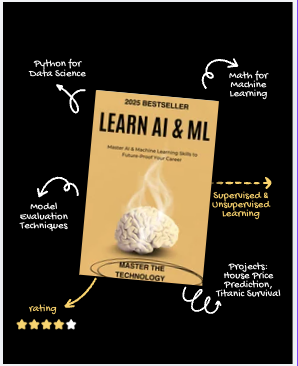
The 40-page playbook + 5 starter repos we use in week 1. Join 12,400+ devs on the list.
Our graduates ship AI at
Cohort outcomes · 2025-2026
We track every graduate for 12 months after the cohort ends. Here's the median, not the marketing version.
$42K
Median salary increase
↑ 38% YoY11 wks
Median time to first AI role
↓ 7 wks vs 202394%
Land an AI role within 6 months
↑ Stable4.9/5
Average NPS across 6 cohorts
✓ VerifiedCareer Note — The biggest salary jumps went to grads who completed all four portfolio projects (not just watched the videos). The cohort is structured so finishing is the default, not the exception.
What grads say
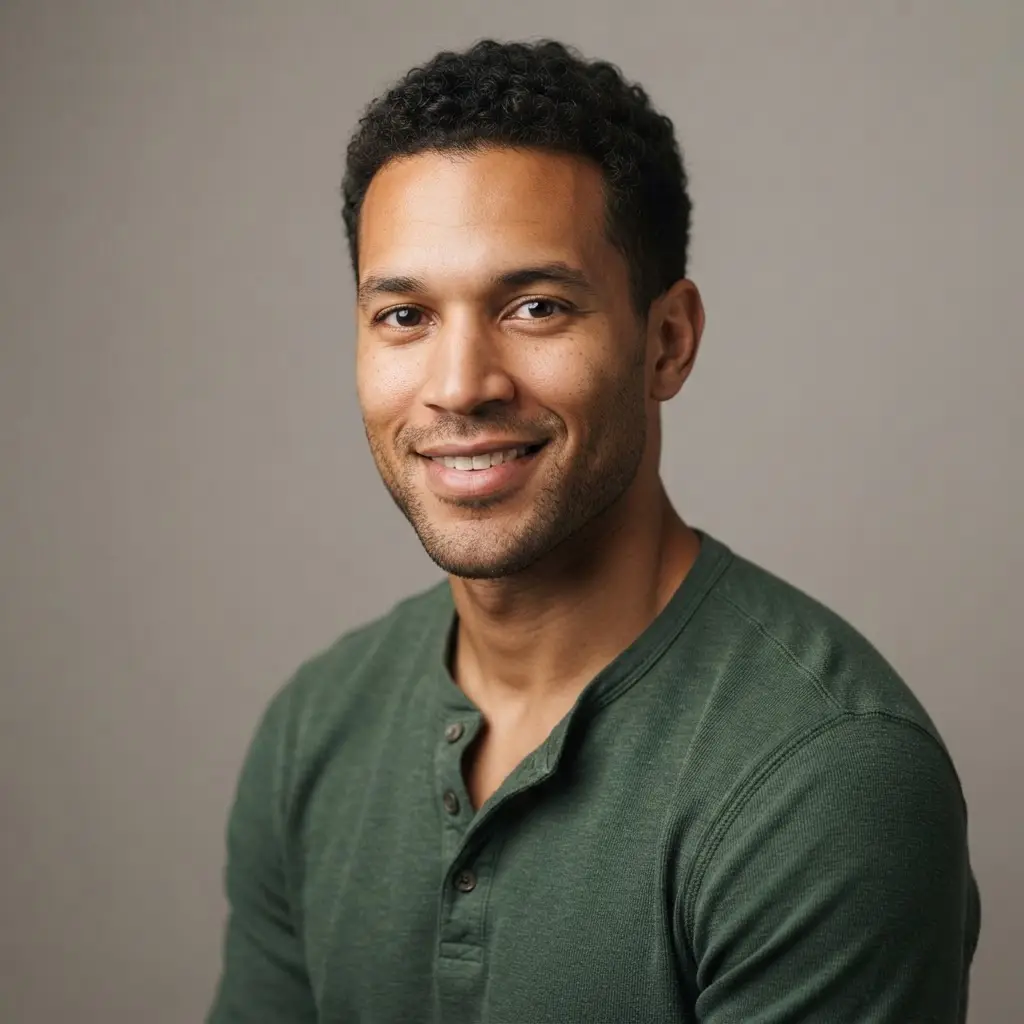
"I'd been a senior full stack dev for six years and felt invisible to every AI job posting. Eleven weeks after the cohort I had three offers — including the staff AI role at a YC company. The portfolio projects were the differentiator."

Marcus Chen
Staff AI Engineer · YC Series B startup
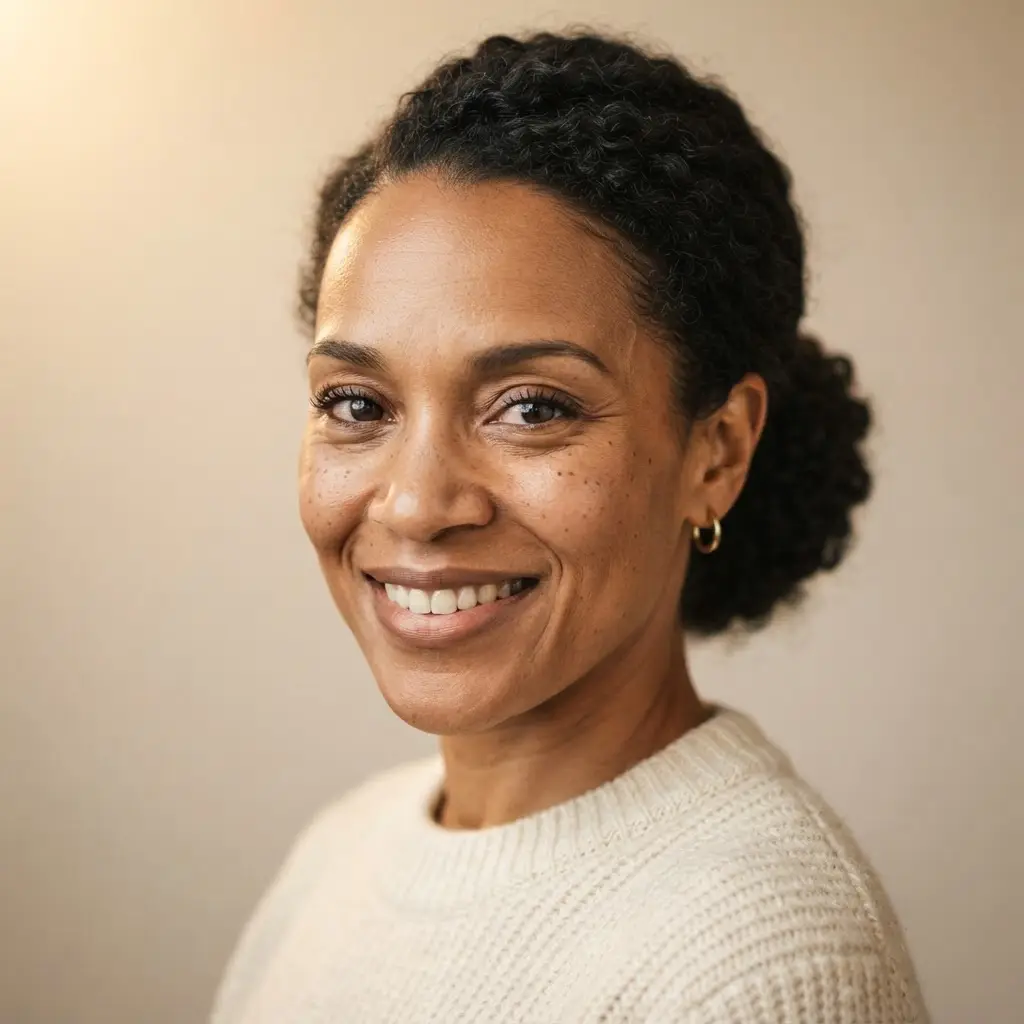
"The RAG phase alone was worth ten times the tuition. I'd watched four YouTube series and read every blog post — none of them showed me how to actually evaluate retrieval quality. The eval harness we built in week 7 is now running in our CI at work."

Priya Ravichandran
Senior Engineer · Fortune 500 retailer
"I'm a frontend-leaning dev who'd never touched Python. Twelve weeks later I shipped a multi-agent system that's now powering our customer onboarding. Arjun's code reviews are unreasonably specific and that's exactly what you need."

Daniel Kim
AI Engineer · healthcare SaaS
The 6-week build track
No toy demos. Every module ends with a deployed, tested project that belongs on your résumé.
The mental models every AI engineer uses daily.
The skills that show up in 80% of AI engineering job posts.
Where interviews separate juniors from staff-level.

8 yrs
building production LLM systems at scale
Your instructor
Staff AI Engineer · previously led the LLM platform team at a Series C fintech and in Law firm
I built the review queues your bank's app uses to spot fraud, and the internal copilot our 3,000 engineers shipped 11M prompts through last quarter. I've hired eleven AI engineers in the last two years — and rejected about four hundred. I built this course to be the exact curriculum I wish those four hundred had.
Former
ML Lead, Plaid
Speaker
PyCon · ODSC · AI Engineer Summit
Built
Llmkit (4.1k★ OSS)
"The gap between 'I can call an LLM' and 'I can ship one to production' is enormous. Most courses stop at the first half. We don't."
How the cohort runs
Designed for full stack developers with a day job. No fluff, no 4-hour lectures, no "figure it out yourself" homework.
90 minutes. New concept, code walkthrough, Q&A. Replay posted by midnight.
60 minutes of small-group debugging. Bring your actual code, leave with a PR merged.
Learn with recoded play and build the same feature in real time. You ship something to prod by Sunday.
Submit your PR by Sunday. Get line-by-line feedback from Rajani by Wednesday.
Common questions
Still have a question? Email supprt@edutva.com — Rajani answers personally within a business day.
About six hours a week. One 90-minute live lecture (Tuesday), one 60-minute office hours (Thursday), and roughly 2.5 hours of async work on the weekend project. We built the schedule around people with day jobs because most of our students have one.
Roughly a third of our grads are TypeScript-first. We include a 2-week Python primer in week 1 — enough to be productive with FastAPI, async, and Pydantic. After that we focus on the AI engineering patterns, not the language. If you can ship a production API in Node, you can ship one in Python by week 3.
You keep lifetime access to the recordings, starter repos, and the private alumni community. The hiring partner intros run after graduation. About a third of each cohort stays active in the alumni Slack long-term — it's become the most useful AI engineering room on the internet.
No fake guarantees. What we offer: 94% of grads who complete the full program land an AI role within 6 months. We publish a 30-day-out outcome report every quarter. The best predictor of outcome isn't the cohort — it's whether you finish the projects.
Recordings go up within four hours of every session. Office hours have two time slots (one APAC-friendly, one Americas-friendly). About 40% of students attend async-only and still finish strong — the projects are the substance, the live calls are the bonus.
Two things. First, accountability: a fixed cohort, weekly PRs, and a real human reviewing your code. Second, depth: we go past the "wrap an OpenAI call" tutorials into the production patterns — evals, observability, cost optimization, agent architectures — that almost no free content covers well.
Cohort 07 · Starts November 4
Limited seats. Doors close November 1, or when the cohort fills — whichever comes first.
We'll email you the syllabus, the four portfolio project specs, and a 5-minute video walkthrough of how the cohort actually runs.